National Serpent Day Date in the current year: February 1, 2026
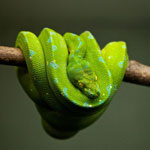 National Serpent Day is an unofficial holiday celebrated on February 1. It was created to encourage appreciation for the many species of snakes around the world and to dispel negative stereotypes and misconceptions about them.
The words “serpent” and “snake” are synonyms. Both words are derived from Proto-Indo-European roots meaning “to creep," but “serpent” is of Germanic origin, coming from Old English, while “snake” was borrowed from French after the Norman invasion. While they can theoretically be used interchangeably, “snake” is more common in everyday speech, whereas “serpent” is usually reserved for mythological and fantasy creatures.
National Serpent Day uses the word “serpent” in its name because the holiday was created to celebrate these amazing creatures and dispel common misconceptions about them. Many of these misconceptions derive from serpent symbolism, which can be both positive and negative. Historically, snakes have represented fertility, rebirth, transformation, healing, and wisdom in many cultures. Conversely, they are associated with evil in certain contexts, such as the serpent in the Bible that persuaded Eve to eat the forbidden fruit from the tree of knowledge of good and evil, which has led to negative stereotypes about snakes. Let’s dispel some of these stereotypes.
All or even most snakes are venomous. Of the more than 4,000 species of snakes in the world, only about 600 are venomous. Venomous snakes primarily use venom to kill and subdue prey, using it for self-defense only when they have no other option.
Snakes are aggressive and attack or chase humans. Most snakes want nothing to do with humans and will try to escape if they encounter one. They only bite in self-defense when startled, cornered, threatened, handled, or stepped on. The bites of nonvenomous snakes are generally harmless. A snake moving in the same direction as you may look like it is chasing you, but in reality it is just trying to reach shelter.
Snakes are slimy. Some people think snakes are slimy because they look shiny, a quality that many associate with moisture. Others lump snakes into the same category as amphibians, which are generally moist. However, snake scales are made of keratin, the same structural protein found in our fingernails, and they are dry to the touch.
It’s okay to kill snakes to make areas safer because they are pests. In reality, snakes play a very important role in their ecosystem. They control the rodent population and serve as prey for other animals, such as birds of prey, foxes, raccoons, badgers, skunks, and mongooses. Killing snakes can lead to uncontrolled increases in the rodent population, which can disrupt the ecosystem’s balance and result in the spread of diseases carried by rodents.
Although the origins of National Serpent Day are unclear, this should not stop you from celebrating these amazing creatures. You can learn interesting facts about the world’s many species of snakes, read a book or watch a documentary about them, check out the herpetarium at your local zoo, or post about the holiday on social media using the hashtag #NationalSerpentDay.
- Category
- Ecological Observances, Unofficial Holidays
- Country
- USA
- Tags
- National Serpent Day, holidays in the US, unofficial holidays, environmental observances, stereotypes about snakes