Why Grass-Fed Beef Tallow Is Becoming a Staple for Culinary Travelers
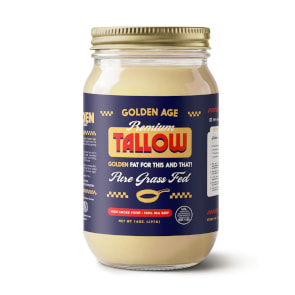 Grass-fed beef tallow—rendered fat from pasture-raised cattle—has quietly reemerged as a kitchen essential among food enthusiasts who refuse to compromise on quality while traveling. Unlike industrially processed oils that dominate grocery shelves, this traditional cooking fat offers a clean ingredient list, exceptional heat stability, and a depth of flavor that transforms simple dishes into memorable meals. For travelers who pack portable cooking kits or seek out vacation rentals with full kitchens, it's becoming as indispensable as a good chef's knife.
This resurgence isn't purely nostalgic. Growing awareness of how fats behave under heat, combined with concerns about highly refined seed oils, has prompted cooks to reconsider what their grandparents used. Debates around cooking oils have intensified, with many questioning the health implications of ultra-processed alternatives. What follows is an examination of why grass-fed beef tallow deserves consideration—not just for its culinary properties, but for its nutritional profile, sustainability credentials, and surprising versatility beyond the kitchen.
The Nutritional Case for Grass-Fed Beef Tallow
Grass-fed beef tallow contains a notably different fatty acid composition than its grain-fed counterpart. Cattle raised on pasture produce fat with higher concentrations of conjugated linoleic acid (CLA) and omega-3 fatty acids, while maintaining lower omega-6 levels—a ratio that nutritionists increasingly associate with reduced inflammation. The fat also delivers fat-soluble vitamins A, D, E, and K in forms the body readily absorbs.
What distinguishes tallow from many cooking oils is its stability at high temperatures. According to Mayo Clinic Press, beef tallow resists oxidation during frying and roasting—a critical advantage since oxidized fats generate compounds linked to cellular damage. This makes it particularly suitable for the high-heat cooking methods common in travel scenarios, from cast-iron skillet meals over campfires to quick sautés in hostel kitchens.
The nutritional advantages include:
-
Favorable fatty acid balance: Higher omega-3 content and CLA compared to conventional beef fat
-
Bioavailable vitamins: Natural sources of vitamins A, D, E, and K that support immune function and bone health
-
Heat stability: Smoke point around 400°F, reducing the formation of harmful oxidation products
-
Satiety factor: Saturated fats promote fullness, potentially reducing overeating during long travel days
Buying in Bulk: A Practical Strategy for Frequent Travelers
For those who regularly cook while traveling—whether in RVs, extended-stay accommodations, or international rentals—sourcing quality cooking fats at each destination becomes tedious. Purchasing grass-fed tallow in larger quantities solves multiple problems simultaneously. The per-ounce cost drops significantly with bulk orders, and having a reliable supply eliminates the need to navigate unfamiliar grocery stores or settle for inferior alternatives.
Storage considerations are straightforward. Tallow remains shelf-stable at room temperature for months when kept in airtight containers away from direct sunlight. For longer storage or warmer climates, refrigeration extends its life indefinitely. Many travelers portion bulk purchases into smaller jars—keeping one accessible for daily use while storing the remainder.
The practical benefits of bulk purchasing include:
-
Cost efficiency: Bulk pricing typically reduces costs by 20-40% compared to retail packaging
-
Consistent quality: Eliminates variability from switching brands or sourcing locally
-
Reduced packaging waste: One large container versus multiple small jars over time
-
Cooking versatility: Sufficient quantity for frying, baking, and even non-culinary applications
Frequent travelers can purchase bulk beef tallow from Golden Age Fats, Fatworks, or US Wellness Meats for travel cooking supply convenience solutions.
Environmental and Ethical Dimensions
The sustainability conversation around beef is complex, but grass-fed systems present distinct environmental advantages over conventional feedlot operations. Properly managed pastures function as carbon sinks, with perennial grasses sequestering atmospheric carbon in soil. Regenerative grazing practices can offset a significant portion of cattle's methane emissions through soil carbon storage—though the net impact remains debated among scientists.
Beyond carbon considerations, pasture-based systems support biodiversity, reduce reliance on monoculture feed crops, and eliminate the need for antibiotics and growth hormones common in concentrated animal feeding operations. Cattle raised on grass live in conditions closer to their evolutionary norms, with access to open space and natural diets.
Key sustainability factors include:
-
Soil health improvement: Rotational grazing builds topsoil and increases water retention
-
Reduced input dependency: Eliminates the need for grain production, synthetic fertilizers, and pesticides associated with feed crops
-
Whole-animal utilization: Rendering tallow from suet that might otherwise be discarded reduces waste
-
Support for small-scale farms: Grass-fed operations typically operate at smaller scales than industrial feedlots
For travelers concerned about their food choices' broader impact, selecting grass-fed products represents a tangible way to align consumption with environmental values.
Culinary Applications Beyond Basic Cooking
Grass-fed beef tallow's high smoke point and neutral-to-slightly-beefy flavor make it remarkably versatile. It excels in applications where other fats fall short: achieving crispy exteriors on roasted vegetables, creating flaky pie crusts, or maintaining temperature stability during deep frying. The fat's composition—primarily saturated and monounsaturated fatty acids—means it doesn't break down or develop off-flavors under sustained heat.
In baking, tallow can replace butter or shortening at a 1:1 ratio, producing exceptionally tender pastries and biscuits. The slight savory note works particularly well in applications like pot pie crusts or savory scones. For travelers with limited refrigeration, tallow's room-temperature stability offers a practical advantage over butter.
Practical culinary uses include:
-
High-heat searing: Ideal for cast-iron cooking and achieving restaurant-quality crusts on proteins
-
Roasting vegetables: Produces superior browning and caramelization compared to most oils
-
Pastry and baking: Creates flaky textures in crusts, biscuits, and traditional British puddings
-
Confit preparations: Traditional preservation method for duck, pork, and vegetables
-
Popcorn popping: Delivers rich flavor without the trans fats of commercial microwave varieties
Tallow in Skincare: An Unexpected Application
The same fatty acid profile that makes grass-fed tallow valuable in cooking translates surprisingly well to skincare. Human sebum—the skin's natural moisturizing oil—shares a similar composition to beef tallow, which may explain why it absorbs readily without leaving a greasy residue. The fat-soluble vitamins present in grass-fed varieties (particularly vitamins A and E) offer additional skin benefits.
For travelers dealing with harsh climates—whether dry airplane cabins, cold mountain air, or intense sun exposure—tallow-based balms provide effective moisture barrier protection. Unlike many commercial moisturizers that contain water and require preservatives, pure tallow remains stable without refrigeration, making it practical for extended trips.
Skincare applications include:
-
Intensive moisturizer: Particularly effective for dry hands, elbows, and feet
-
Lip balm base: Provides long-lasting protection without petroleum derivatives
-
Makeup remover: Dissolves cosmetics while moisturizing skin
-
Minor wound care: Creates protective barrier over cuts and abrasions
-
Beard and hair conditioning: Tames frizz and adds moisture without silicones
Simple tallow balm recipes require only melted tallow combined with essential oils for scent—a straightforward project for travelers with access to basic cooking equipment.
Integrating Tallow into a Travel-Focused Lifestyle
The intersection of quality ingredients and mobile cooking presents unique challenges. Grass-fed beef tallow addresses several simultaneously: it travels well, requires no refrigeration for short to medium-term storage, performs reliably across cooking methods, and offers applications beyond the kitchen. For travelers who view food preparation as integral to the experience rather than an inconvenience, it represents a practical upgrade to standard cooking oils.
The growing availability of grass-fed tallow reflects broader shifts in how people think about food quality and sourcing. As industrial food systems face increasing scrutiny, traditional ingredients produced through transparent supply chains gain appeal. Whether rendering your own from local suet or purchasing from specialized producers, incorporating grass-fed beef tallow into your culinary repertoire offers a tangible connection to more sustainable food practices—without sacrificing the convenience modern travelers require.
Breadcrumbs
Tags