International Disorders of the Corpus Callosum Day Date in the current year: July 2, 2026
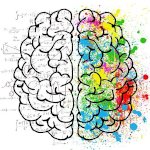 International Disorders of the Corpus Callosum Day, also known as World Disorders of the Corpus Callosum Day or Disorders of the Corpus Callosum Awareness Day, is observed annually on July 2. This day was created to raise awareness of disorders that affect the corpus callosum, the nerve tract that connects the left and right hemispheres of the brain.
The human brain consists of two hemispheres that are connected by a large bundle of nerve fibers known as the corpus callosum. The largest white matter structure in the brain, the corpus callosum enables communication between the left and right cerebral hemispheres. This communication helps coordinate movement, sensory processing, language, problem solving, and other complex functions.
Disorders of the corpus callosum (DCC) are a group of developmental abnormalities affecting the corpus callosum. They include:
- agenesis (complete absence)
- hypogenesis (partial agenesis)
- hypoplasia (underdevelopment/abnormal thinness)
- dysgenesis (atypical development/malformation)
Disruption to brain development resulting in DCC usually occurs early in pregnancy, between weeks three and 12, and the exact cause is often unknown. Factors that may affect corpus callosum development include genetic mutations, prenatal infections, exposure to toxins, and metabolic disorders.
DCC does not completely prevent communication between the hemispheres because the brain adapts by developing alternative communication routes instead of relying on a single neural tract. However, the disorder does affect the exchange of complex information between the left and right hemispheres. Symptoms of DCC and their severity vary between patients and may include:
- difficulty with complex problem solving
- social difficulties
- learning difficulties
- intellectual disability
- motor coordination problems
- seizures
- spasticity (muscle stiffness)
- hydrocephaly
Some people with DCC exhibit symptoms early on, while others may not experience them until later in childhood or young adulthood. In some individuals, symptoms are very mild or unnoticeable, and their condition is discovered only when they undergo brain imaging for an unrelated reason.
DCC is incurable because the corpus collosum cannot regenerate. Management focuses on providing affected individuals with support that addresses their specific symptoms and challenges. It may include speech and language therapy, occupational therapy, physical therapy, educational support, etc.
July 2 was chosen as the date for International Disorders of the Corpus Callosum Day because it is typically the middle day of the year, reflecting the fact that the corpus callosum is located in the middle of the brain and connects its two hemispheres. Observed since 2015, the day is supported and promoted by various advocacy organizations, including NODCC in the United States, Corpal in the United Kingdom, and AusDoCC in Australia. The main goals of International DCC Day are to raise awareness of these rare disorders and to promote research to improve the diagnosis rate and patients’ access to information and care.
- Category
- International Observances
- Tags
- International Disorders of the Corpus Callosum Day, international observances, awareness days, World Disorders of the Corpus Callosum Day