PURA Syndrome Awareness Day Date in the current year: October 23, 2026
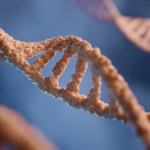 PURA Syndrome Awareness Day is observed annually on October 23. It was created to raise awareness of PURA syndrome, an extremely rare neurodevelopmental disorder that was first described in 2014 and has been diagnosed in fewer than a thousand patients so far.
PURA syndrome, also known as PURA-related neurodevelopmental disorder, is caused by a mutation in the PURA gene located on the long arm of chromosome 5. The PURA gene encodes a protein of the same name, also known as Pur-alpha. This protein plays an important role in brain development and helps regulate DNA replication, as well as mRNA transcription and translation. Consequently, mutations in this gene can cause a wide range of symptoms that can vary significantly from patient to patient.
The most common symptoms of PURA syndrome are developmental delay, feeding difficulties, delayed speech, moderate to profound learning disability, and epilepsy. The musculoskeletal system is often affected, resulting in balance and walking difficulties, low muscle tone (hypotonia), and spinal abnormalities such as kyphosis and scoliosis. Other possible symptoms include excessive daytime sleepiness, apnea, chronic hypothermia, hypoventilation, sensory processing challenges, and vision problems such as nystagmus and strabismus.
As mentioned above, PURA syndrome is extremely rare. As of 2026, it had been diagnosed in approximately 800 individuals. However, its exact prevalence is unknown and may be higher than expected due to underdiagnosis. PURA syndrome was first described a little over a decade ago and shares many symptoms with other neurodevelopmental disorders, which means that many physicians are unfamiliar with it. Additionally, PURA syndrome can only be diagnosed through genetic testing, to which not all patients have access.
The good news about PURA syndrome is neurodevelopmental rather than neurodegenerative, so it is not typically characterized by progressive degeneration, although individual symptoms and complications can change or worsen over time. While there is little information about how PURA syndrome affects life expectancy, at least one person with the syndrome has lived into their 50s.
The bad news is that, like most other rare genetic disorders, PURA syndrome is incurable. The available treatment is purely symptomatic and supportive. Treatment plans are based on each patient’s individual symptoms and needs and may include the following:
- Physical, occupational, and speech therapies for developmental delay
- Communication support for patients who are mostly nonverbal
- Nutritional support for feeding difficulties
- Epileptic drugs for seizures or a ketogenic diet for drug-resistant epilepsy
- Regular assessments for musculoskeletal issues and eyesight checks
PURA Syndrome Awareness Day is spearheaded by the PURA Syndrome Foundation, a US-based nonprofit organization that works to raise awareness of this rare genetic disorder and support affected individuals and their families around the globe. You can get involved by learning more about PURA syndrome and sharing what you’ve learned with others, donating to the foundation’s Together for PURA campaign, and spreading the word on social media with the hashtag #PURASyndromeAwarenessDay.
- Category
- International Observances
- Tags
- PURA Syndrome Awareness Day, international observances, awareness days, rare diseases, neurodevelopmental disorders